
 9640056766
 Manisha Diabetes and Endocrine Centre, Danavayapeta, Rajahmundry, Andhra Pradesh - 533101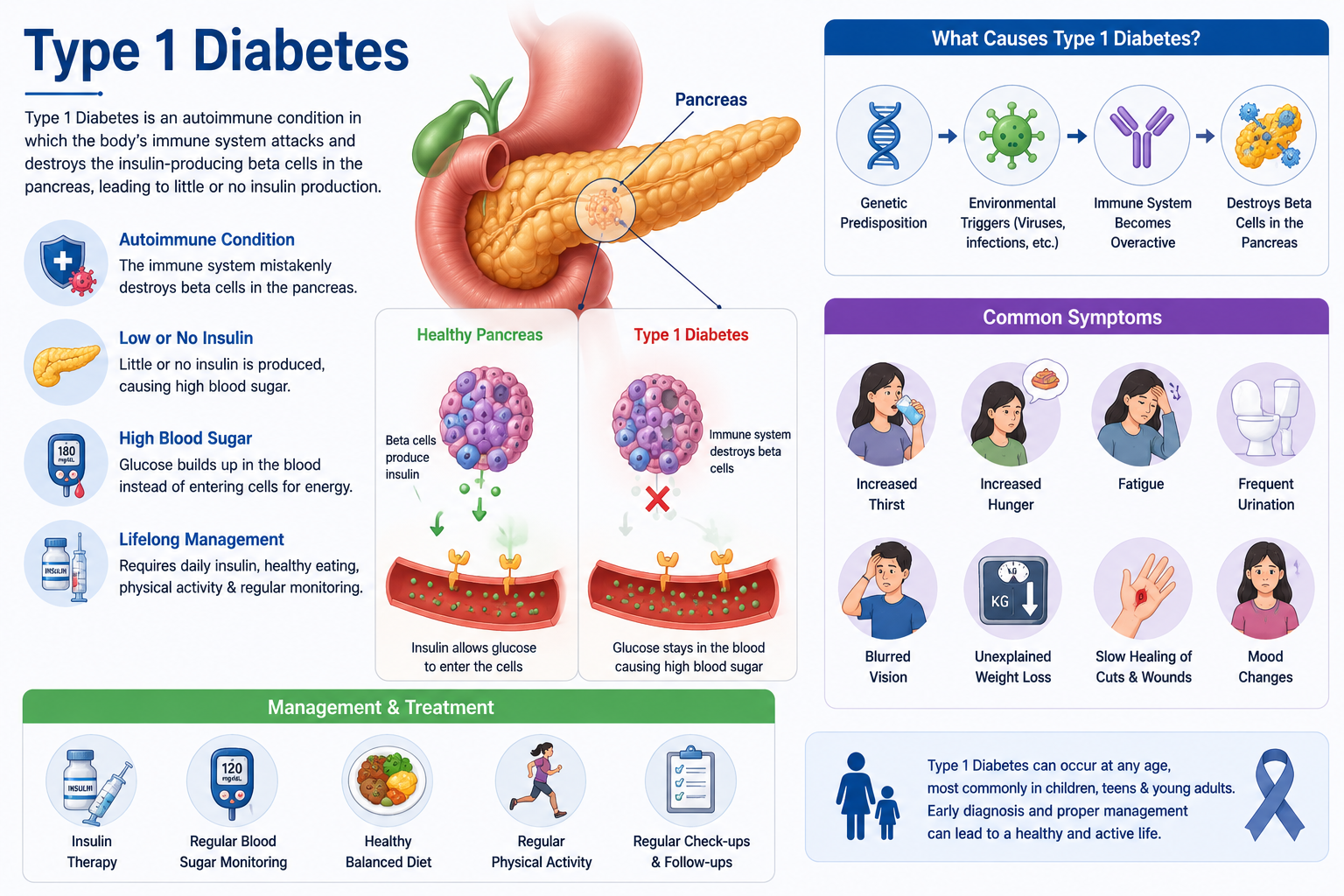
Overview
Type 1 diabetes is an autoimmune condition in which the pancreas produces little or no insulin. It is most often diagnosed in children, teenagers and young adults, though it can occur at any age. Because the body cannot regulate blood glucose on its own, lifelong insulin therapy and consistent monitoring are essential for staying healthy.
Symptoms
- Excessive thirst
- Frequent urination
- Unexplained weight loss
- Persistent fatigue
- Blurred vision
- Slow-healing wounds
- Increased hunger
Causes & Risk Factors
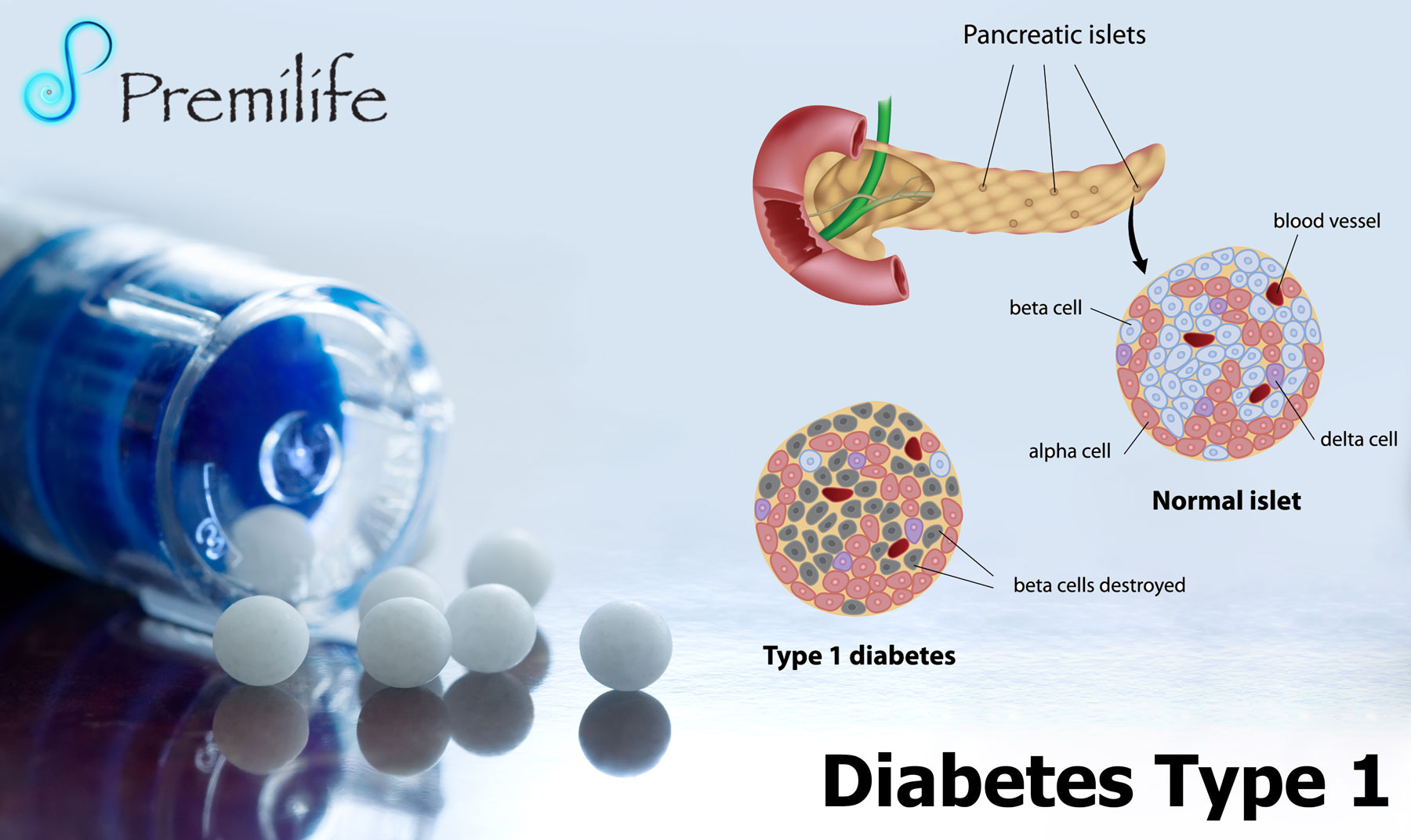
Type 1 diabetes develops when the immune system mistakenly destroys the insulin-producing beta cells in the pancreas. Genetic predisposition plays a role, and certain environmental or viral triggers are believed to contribute in susceptible individuals. Importantly, Type 1 diabetes is not caused by diet or lifestyle.
Diagnosis
Diagnosis typically involves fasting or random blood glucose testing, HbA1c, C-peptide levels to assess remaining insulin production, and autoantibody testing (such as GAD and IA-2) to confirm the autoimmune nature of the condition.
Treatment Options
Management is centred on lifelong insulin therapy, individualised to each patient's needs, and may include:
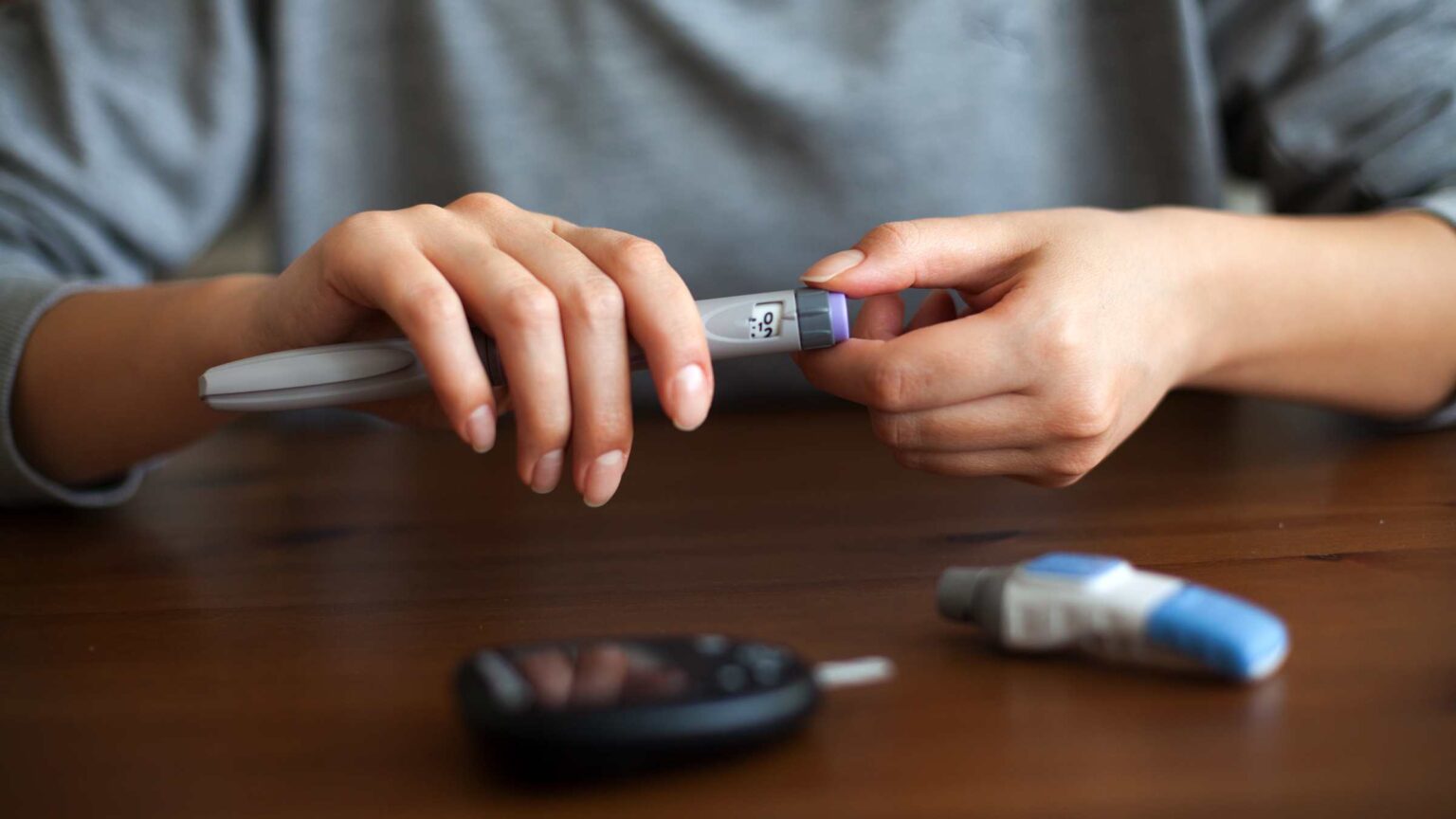
- Multiple daily insulin injections or insulin pump therapy
- Carbohydrate counting to match insulin doses to meals
- Regular blood glucose monitoring or continuous glucose monitoring (CGM)
- Structured diabetes education for patients and families
Benefits Of Treatment At Our Clinic
- Individualised insulin regimens tailored to your routine
- Guidance on continuous glucose monitors and insulin pumps
- Pediatric-friendly consultations for children and families
- Ongoing monitoring to reduce the risk of long-term complications


 Emergency Contact: 9640056766